Diabetes and Dental Health: Protecting Your Teeth and Gums
Diabetes affects more than blood glucose. It can also affect your mouth, including your teeth, gums, and tongue. People with diabetes have a higher risk of gum disease, and gum disease, in turn, may make blood glucose harder to manage. The good news is that daily oral care and regular dental visits can prevent many problems. This guide explains how diabetes affects oral health, common problems, warning signs, and how to protect your smile.
How diabetes affects your mouth
According to NIDDK, high blood glucose can cause problems in your mouth because glucose is present in saliva. When diabetes is not well managed, higher glucose in saliva helps harmful bacteria grow. These bacteria combine with food to form plaque, a sticky film on teeth. Plaque can lead to tooth decay, cavities, and gum disease. Diabetes can also make it harder for the body to fight infections and heal.
The National Institute of Dental and Craniofacial Research (NIDCR) notes that people with diabetes are at greater risk for gum disease and other oral health problems.
Gum disease
Gum disease (periodontal disease) is an infection of the tissues that hold your teeth in place. It develops in stages:
Gingivitis
The early stage. Plaque buildup along the gumline causes gums to become red, swollen, and bleed easily, especially when brushing or flossing. Gingivitis can usually be reversed with good brushing, flossing, and professional cleanings.
Periodontitis
If gingivitis is not treated, it can progress to periodontitis. The gums pull away from the teeth, forming pockets that collect bacteria. Infection can damage the bone and tissues that support the teeth. Teeth may become loose and may eventually need to be removed. MedlinePlus explains more about gum disease.
The two-way link
Gum disease is not only a result of diabetes. Serious gum infections may make blood glucose harder to manage. Research suggests that treating gum disease may help improve blood glucose in some people with diabetes. Caring for your gums is part of caring for your diabetes.
Other mouth problems linked to diabetes
- Tooth decay and cavities: More glucose in saliva feeds bacteria that produce acids, which attack tooth enamel.
- Dry mouth (xerostomia): High blood glucose and some medicines can reduce saliva. Saliva helps wash away food and protects teeth, so dry mouth raises the risk of cavities, soreness, and infections.
- Thrush: A fungal infection (Candida) that causes white or red patches in the mouth that may be sore. It is more common with high glucose, dry mouth, smoking, or dentures, and after antibiotics.
- Slow healing: Mouth sores and wounds after dental procedures may heal more slowly.
- Burning mouth or taste changes: Some people notice a burning feeling or changes in taste.
Warning signs
See your dentist if you notice:
- Red, swollen, tender, or bleeding gums
- Gums that are pulling away from your teeth
- Persistent bad breath or a bad taste in your mouth
- Loose teeth or changes in how your teeth fit together when you bite
- Pus between your teeth and gums
- Sores, white patches, or soreness in your mouth
- Dry mouth
- Pain when chewing
- Dentures that no longer fit well
How to protect your mouth
Manage your blood glucose
Keeping blood glucose in your target range lowers the risk of gum disease and other mouth problems. See A1C and blood sugar targets and how to lower A1C.
Brush twice a day
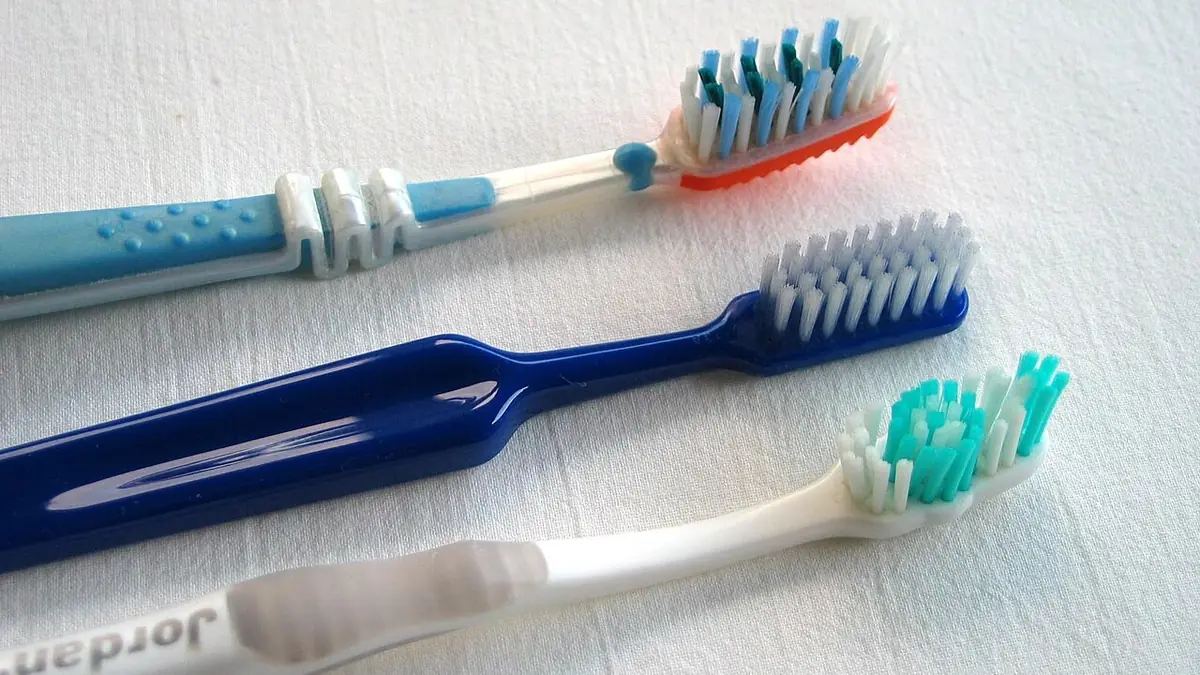
Use a soft-bristled toothbrush and fluoride toothpaste. Brush gently along the gumline for about two minutes. Replace your toothbrush every three to four months or when the bristles fray. Electric toothbrushes can help people with limited hand strength.
Clean between your teeth daily
Use floss, interdental brushes, or water flossers to remove plaque between teeth, where a toothbrush cannot reach.
See your dentist regularly
Have checkups and professional cleanings at least twice a year, or more often if your dentist recommends it, especially if you have gum disease.
Tell your dentist you have diabetes
Share your diabetes type, medicines, and recent A1C. Your dentist may coordinate with your diabetes care provider before certain treatments.
Plan dental visits to prevent lows
If you take insulin or medicines that can cause low blood glucose, eat as usual and take medicines as directed before dental appointments, unless your dentist or provider instructs otherwise. Bring your meter or CGM and fast-acting carbohydrate. Tell the dental team if you feel symptoms of a low. After procedures that make eating difficult, ask your care team how to adjust medicines. See hypoglycemia.
Care for dentures
Remove and clean dentures daily, and do not sleep in them unless your dentist says it is OK. Poorly fitting dentures can cause sores.
Manage dry mouth
Sip water often, chew sugar-free gum or use sugar-free mints, avoid tobacco and alcohol, use a humidifier at night, and ask your dentist about saliva substitutes. Ask your provider whether any medicines may be causing dry mouth.
Don't smoke
Smoking greatly increases the risk of gum disease and makes it harder to treat. It also raises the risk of other diabetes complications. Free help to quit is available at 1-800-QUIT-NOW.
Choose tooth-friendly foods and drinks
Limit sugary drinks and sticky sweets, which feed bacteria. Choose water, vegetables, and whole foods. See diabetes-friendly eating basics and best snacks for diabetes.
Treatment for gum disease
Treatment depends on the stage. Your dentist or a periodontist (gum specialist) may recommend:
- Professional deep cleaning (scaling and root planing) to remove plaque and tartar from below the gumline
- Antibiotic or antimicrobial treatments
- Surgery in advanced cases to clean deep pockets or repair tissue
Keep up with follow-up visits, as gum disease can return.
Dental care costs
Dental care is not always covered by medical insurance. Community health centers and dental schools may offer lower-cost care. Ask your provider about local resources.
Frequently asked questions
Can gum disease affect my blood sugar?
Serious gum infections can make blood glucose harder to manage, because infection and inflammation affect how the body uses insulin. Treating gum disease is part of good diabetes care.
Should I tell my dentist about my A1C?
Yes. Your dentist can plan treatment more safely when they know how well your diabetes is managed, which medicines you take, and whether you are prone to lows. Some procedures may be scheduled differently if glucose is very high.
Is it safe to have dental work if I have diabetes?
Yes. Most people with diabetes can have routine and complex dental care. Plan around meals and medicines, bring glucose supplies, and follow your dentist's instructions for healing. Contact your dentist if you notice signs of infection afterward, such as swelling, fever, or worsening pain.
Are sugar-free gum and mints helpful?
Sugar-free gum can stimulate saliva, which helps protect teeth, especially if you have dry mouth. Gum sweetened with xylitol is a common choice. Avoid gum and mints that contain sugar.
How often should I replace my toothbrush?
About every three to four months, or sooner if the bristles are frayed or after an illness.
Key takeaways
- High blood glucose raises the risk of gum disease, tooth decay, dry mouth, and thrush.
- Gum disease may make blood glucose harder to manage, so oral care is part of diabetes care.
- Brush twice daily, clean between teeth daily, and see your dentist at least twice a year.
- Tell your dentist you have diabetes and plan visits to prevent low blood glucose.
- Don't smoke, and see your dentist promptly for bleeding, swollen, or receding gums.
Sources
Links to the sources cited above appear in the text. We rely on the Centers for Disease Control and Prevention (CDC), the National Institute of Diabetes and Digestive and Kidney Diseases (NIDDK), and the American Diabetes Association (ADA).