Diabetes and Kidney Health
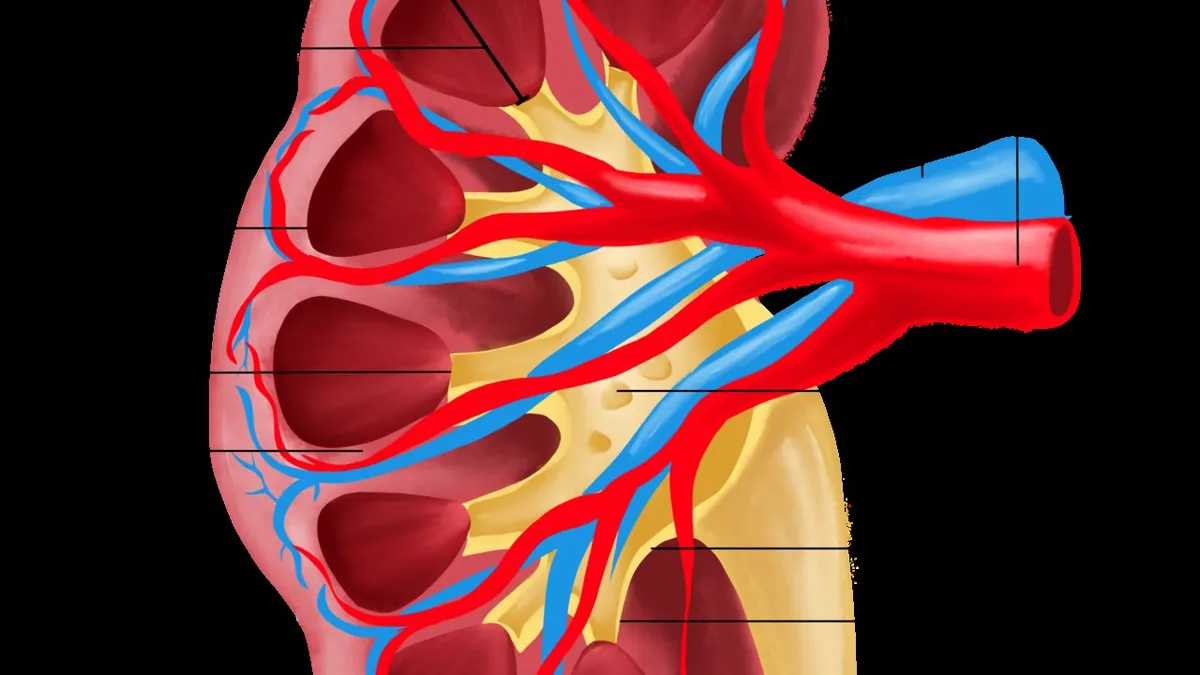
Your kidneys filter waste and extra fluid from your blood, help control blood pressure, and support healthy bones and red blood cells. Diabetes is one of the most common causes of kidney disease, but early kidney damage can be detected with simple tests, and treatment can slow or prevent its progression. This guide explains diabetic kidney disease, how it is tested, and what you can do to protect your kidneys.
How diabetes affects the kidneys
Each kidney contains many tiny filtering units with small blood vessels. Over time, high blood glucose and high blood pressure can damage these vessels so the kidneys do not filter as well. NIDDK explains that diabetic kidney disease, also called diabetic nephropathy, is kidney disease caused by diabetes. The CDC notes that diabetes is a leading cause of kidney failure in the United States.
Kidney damage tends to develop slowly over many years. In the early stages, a protein called albumin may leak into the urine. As damage progresses, the kidneys' filtering ability declines. In the most advanced stage, kidney failure, a person needs dialysis or a kidney transplant.
Risk factors
Diabetic kidney disease is more likely with:
- Blood glucose that stays above target
- High blood pressure
- Longer duration of diabetes
- Smoking
- Obesity
- Family history of kidney disease
- Heart disease
Some racial and ethnic groups, including African American, Hispanic/Latino, and American Indian people, have higher rates of kidney failure from diabetes.
Symptoms
Early kidney disease usually has no symptoms. Many people do not feel any different until kidney function is significantly reduced. Later symptoms may include:
- Swelling in the feet, ankles, legs, hands, or face
- Fatigue and weakness
- Trouble concentrating
- Loss of appetite, nausea, or vomiting
- Itchy or dry skin
- Changes in how often you urinate
- Shortness of breath
- Muscle cramps
Because symptoms appear late, regular testing is the only way to catch kidney disease early.
Kidney tests for people with diabetes
The American Diabetes Association recommends that people with type 2 diabetes be tested at diagnosis and at least once a year, and that people with type 1 diabetes start yearly testing five years after diagnosis. People who already have kidney disease may need tests more often. The two key tests are:
Urine albumin test
This test checks for albumin in your urine, often reported as the urine albumin-to-creatinine ratio (UACR). Healthy kidneys keep albumin in the blood. A UACR of 30 mg/g or higher is considered increased and may be an early sign of kidney damage. Because UACR can be temporarily raised by exercise, infection, fever, high blood glucose, or other factors, an abnormal result is usually confirmed with repeat tests.
Blood test for eGFR
A blood test measures creatinine, a waste product. Lab software uses the creatinine level, age, and other factors to estimate your glomerular filtration rate (eGFR), which shows how well your kidneys filter. An eGFR below 60 for three months or more suggests chronic kidney disease. Lower numbers mean less kidney function.
Ask your provider for your numbers and what they mean for you. Tracking UACR and eGFR over time shows whether your kidneys are stable.
Treatment and protection
The goal is to slow kidney damage and lower the risk of heart disease, which is closely linked to kidney disease.
Manage blood glucose
Keeping glucose near your target helps protect the kidneys. See A1C and blood sugar targets.
Control blood pressure
High blood pressure both causes and worsens kidney damage. Many adults with diabetes have a blood pressure goal below 130/80 mmHg, though targets are individualized. Medicines called ACE inhibitors or ARBs are often recommended for people with diabetes, high blood pressure, and albumin in the urine, because they help protect the kidneys. Your provider will monitor blood potassium and kidney function when using these medicines.
Kidney-protective diabetes medicines
SGLT2 inhibitors have been shown to slow the progression of kidney disease in certain people with type 2 diabetes and chronic kidney disease. Some GLP-1 receptor agonists have also shown kidney benefits. A non-steroidal medicine called finerenone may be used for some people with type 2 diabetes and kidney disease. Your provider will decide what is right for you. See metformin and common diabetes medications.
Adjust medicines as needed
When kidney function declines, some medicines, including some diabetes medicines, may need dose changes or need to be stopped. Always tell every provider and pharmacist that you have kidney disease.
Be careful with over-the-counter painkillers
Nonsteroidal anti-inflammatory drugs (NSAIDs) such as ibuprofen and naproxen can harm the kidneys, especially in people with kidney disease. Ask your provider which pain relievers are safe for you.
Eat for kidney health
A dietitian can help tailor your eating plan. General advice often includes:
- Reducing sodium (salt) to help control blood pressure
- Choosing heart-healthy foods with plenty of vegetables and whole foods
- Eating the right amount of protein, not too much; for people with kidney disease who are not on dialysis, guidelines generally suggest not exceeding usual recommended protein intake
- Limiting potassium or phosphorus only if your provider or dietitian advises it, based on lab results
See diabetes-friendly eating basics.
Other healthy habits
- Don't smoke.
- Be physically active. See exercise and diabetes.
- Reach or maintain a healthy weight. See weight and diabetes.
- Limit alcohol.
- Keep cholesterol in check; people with kidney disease have higher heart risk. See heart health.
Kidney disease and blood sugar
As kidney function declines, the body clears insulin and some diabetes medicines more slowly, which can increase the risk of low blood sugar. If you have more lows, tell your provider so your treatment can be adjusted. See hypoglycemia. Kidney disease can also affect A1C accuracy in some cases.
If kidney disease progresses
If kidney disease advances, you will likely be referred to a kidney specialist (nephrologist). Planning ahead allows time to learn about treatment options for kidney failure, including different types of dialysis and kidney transplantation, as well as conservative management. Early referral and education help people make informed choices.
Questions to ask your provider
- What are my UACR and eGFR numbers, and how have they changed?
- What is my blood pressure goal?
- Should I be taking a kidney-protective medicine?
- Do any of my medicines need adjusting for my kidney function?
- Should I see a dietitian or kidney specialist?
The American Diabetes Association has more about diabetes and chronic kidney disease.
Key takeaways
- Diabetes is a leading cause of kidney disease and kidney failure, but damage develops slowly and can be detected early.
- Get a urine albumin test and an eGFR blood test at least yearly as recommended.
- Controlling glucose and blood pressure, and using kidney-protective medicines when appropriate, can slow kidney disease.
- Avoid NSAIDs unless your provider approves, and make sure all your medicines are dosed for your kidney function.
Sources
Links to the sources cited above appear in the text. We rely on the Centers for Disease Control and Prevention (CDC), the National Institute of Diabetes and Digestive and Kidney Diseases (NIDDK), and the American Diabetes Association (ADA).