Insulin Basics: Types, Delivery, and Safety
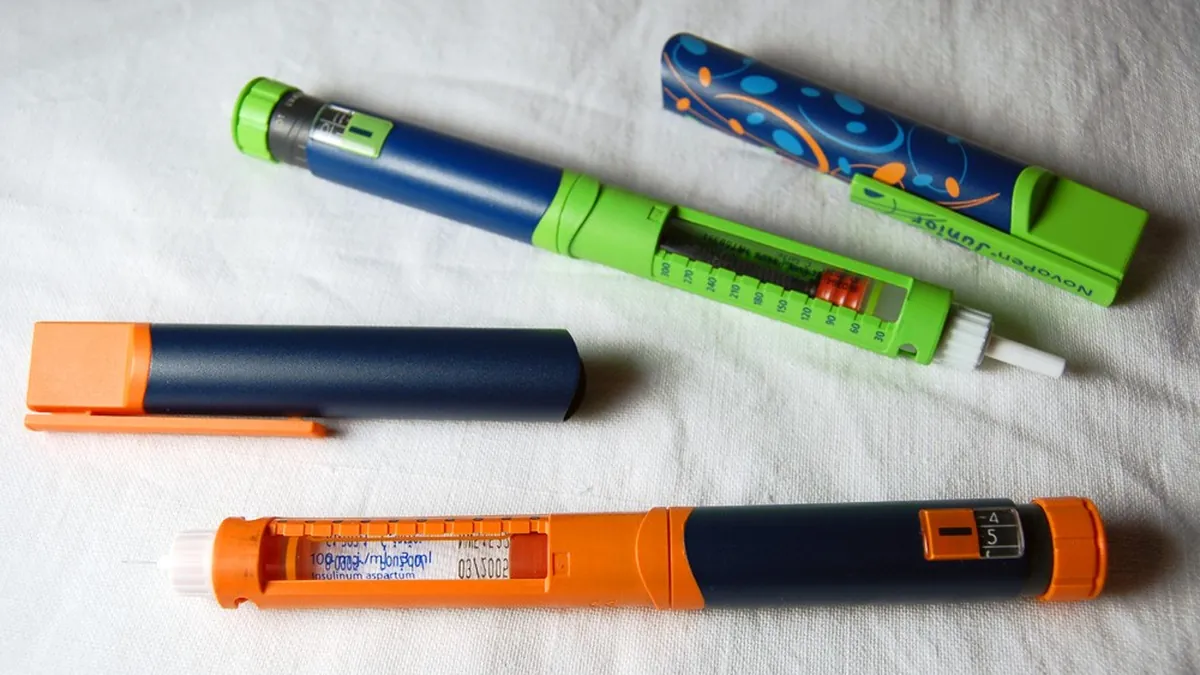
Insulin is a hormone that every person needs to live. People with type 1 diabetes must take insulin every day, and many people with type 2 diabetes and some with gestational diabetes also use it. If you or a loved one is starting insulin, it can feel overwhelming at first. This guide explains what insulin does, the main types, how it is taken, how to store it, and how to use it safely. Always follow the specific instructions from your health care team.
What insulin does
After you eat, carbohydrates are broken down into glucose, which enters the bloodstream. Insulin, made by the pancreas, helps glucose move into cells to be used for energy. It also signals the liver to store glucose and to stop releasing it when it is not needed. In type 1 diabetes, the pancreas makes little or no insulin. In type 2 diabetes, the body does not use insulin well and may not make enough over time. Taking insulin replaces or supplements what the body is not providing. The American Diabetes Association and NIDDK provide helpful overviews.
Why insulin can't be taken as a pill
Insulin is a protein. If it were swallowed, it would be broken down in the digestive system before it could work. That is why insulin is given under the skin by injection or pump, or in one case by inhalation.
Basal and bolus insulin
Healthy bodies release insulin in two ways: a steady low level throughout the day and night, and bursts after meals. Insulin treatment often tries to copy this pattern:
- Basal (background) insulin keeps glucose steady between meals and overnight.
- Bolus (mealtime) insulin covers the rise in glucose from food. A correction dose brings down glucose that is already high.
People with type 1 diabetes usually need both. Many people with type 2 diabetes start with basal insulin once a day and may add mealtime insulin later if needed.
Types of insulin
Insulins are grouped by how fast they start working (onset), when they work hardest (peak), and how long they last (duration). Exact timing varies by product and by person.
- Rapid-acting insulin starts working within about 15 minutes, peaks in about an hour, and lasts a few hours. It is typically taken just before meals. An inhaled rapid-acting insulin is also available for adults.
- Ultra-rapid-acting insulin formulations work slightly faster than standard rapid-acting insulin.
- Short-acting (regular) insulin starts within about 30 minutes, peaks in 2 to 3 hours, and lasts several hours. It is usually taken about 30 minutes before a meal.
- Intermediate-acting insulin (NPH) starts in about 2 to 4 hours, peaks around 4 to 12 hours, and lasts up to about 12 to 18 hours.
- Long-acting insulin works over about 24 hours with little or no peak. It is used as basal insulin.
- Ultra-long-acting insulin lasts longer than 24 hours.
- Premixed insulin combines intermediate-acting with rapid- or short-acting insulin in one product, which can simplify routines but offers less flexibility.
Your provider chooses insulin based on your type of diabetes, glucose patterns, lifestyle, cost, and preferences.
Ways to take insulin
Syringes
Insulin is drawn from a vial into a syringe and injected into the fat layer just under the skin.
Insulin pens
Pens contain insulin in a cartridge and use a small disposable needle. They are convenient and make dosing easier for many people.
Insulin pumps
Pumps are small devices that deliver rapid-acting insulin continuously through a tiny tube (cannula) under the skin, with extra doses given at meals. Some are tubeless "patch" pumps. Pumps can be programmed with different basal rates at different times of day.
Automated insulin delivery
These systems link a pump with a continuous glucose monitor and use software to adjust insulin automatically based on glucose readings. Users usually still enter meals. See checking blood sugar and CGMs.
Inhaled insulin
An inhaled, rapid-acting insulin is approved for adults for mealtime use. It is not suitable for people with certain lung conditions or who smoke.
Where to inject
Insulin is injected into fatty tissue, most often the abdomen, the back of the upper arms, the thighs, or the buttocks. Insulin is absorbed at slightly different speeds from different areas. Rotating injection sites within an area helps prevent lumps of fatty tissue (lipohypertrophy), which can make insulin absorption unpredictable. Avoid injecting into scars, moles, or lumpy areas. Your educator can show you proper technique.
Storing insulin
- Keep unopened insulin in the refrigerator, not the freezer. Do not use insulin that has been frozen.
- Insulin in use can usually be kept at room temperature for a limited number of days, which varies by product; check the package insert.
- Protect insulin from extreme heat, cold, and direct sunlight. Do not leave it in a hot car.
- Check expiration dates and look at insulin before use. Do not use insulin that looks different than usual, such as clear insulin that is cloudy or has particles.
Safety tips
- Know your doses. Keep a written list of your insulin types and doses, and confirm which pen or vial you are using, since mixing up long-acting and rapid-acting insulin can cause serious lows or highs.
- Never share pens or needles, even if the needle is changed, because of infection risk.
- Dispose of sharps safely in a sharps container or a heavy-duty plastic container as allowed by local rules.
- Watch for lows. The main side effect of insulin is low blood sugar. Learn the signs and treatment in our hypoglycemia guide and ask about glucagon.
- Don't stop insulin on sick days without guidance, especially with type 1 diabetes. See managing diabetes when sick.
- Carry supplies when away from home, along with fast-acting carbohydrate.
Other side effects
Insulin can cause some weight gain. Mild redness or irritation at injection sites can occur. Allergic reactions are rare. Discuss any concerns with your provider.
Adjusting doses
Insulin needs can change with food, activity, illness, stress, weight changes, menstrual cycles, and pregnancy. Many people learn to adjust mealtime doses using an insulin-to-carbohydrate ratio and correction factor set by their provider. See carb counting. Only make changes your care team has taught you to make.
Insulin and type 2 diabetes
Starting insulin with type 2 diabetes does not mean you failed. Type 2 diabetes often changes over time, and insulin is an effective tool. It is often used alongside other medicines. See metformin and common diabetes medications and our type 2 diabetes overview.
Cost and access
Insulin costs vary by product and insurance. If cost is a barrier, talk with your provider or pharmacist about lower-cost options, manufacturer assistance programs, or insurance coverage. Never ration insulin; doing so can lead to DKA, a life-threatening emergency.
Key takeaways
- Insulin helps glucose enter cells; people with type 1 diabetes need it daily, and many with type 2 use it too.
- Types differ by onset, peak, and duration: rapid, short, intermediate, long, and premixed.
- Insulin is given by syringe, pen, pump, automated system, or inhaler.
- Store insulin properly, rotate sites, never share pens, and know how to prevent and treat lows.
Sources
Links to the sources cited above appear in the text. We rely on the Centers for Disease Control and Prevention (CDC), the National Institute of Diabetes and Digestive and Kidney Diseases (NIDDK), and the American Diabetes Association (ADA).
Related guides: Blood sugar and treatment
- A1C and Blood Sugar Targets: Understanding Your Numbers
- Checking Blood Sugar: Meters and Continuous Glucose Monitors
- Hypoglycemia (Low Blood Sugar): Signs, Treatment, and Prevention
- High Blood Sugar and Diabetic Ketoacidosis (DKA)
- Metformin and Common Diabetes Medications
- Managing Diabetes When You're Sick
- How to Lower Your A1C: Proven Strategies
- The Dawn Phenomenon: Why Morning Blood Sugar Is High