Carb Counting for Diabetes: A Beginner's Guide
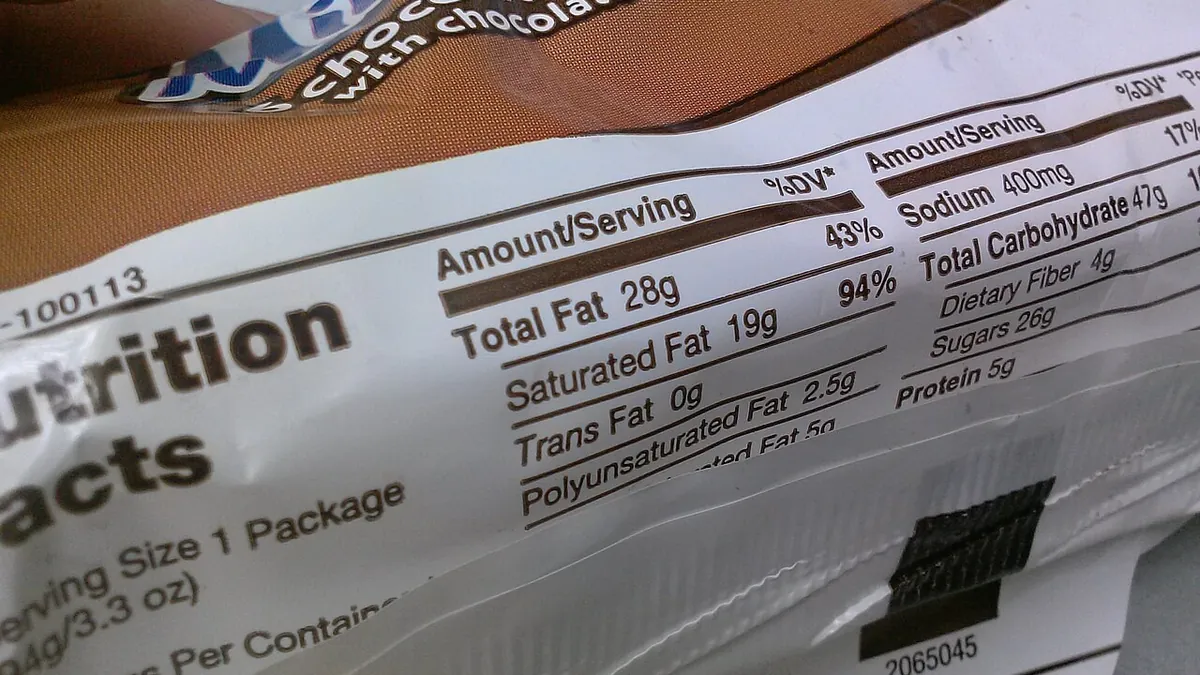
Carbohydrate counting, or "carb counting," is a meal planning skill that helps many people with diabetes manage their blood glucose. Because carbohydrates have the biggest direct effect on blood sugar, knowing how many carbs you eat can help you keep levels steadier and, if you use mealtime insulin, match your insulin dose to your food. This guide explains what carbs are, how to count them, how to read food labels, and tips for getting started.
Why carbs matter
Food contains three main nutrients: carbohydrates, protein, and fat. Your body breaks carbohydrates down into glucose, which enters the bloodstream. According to the CDC, carbohydrates in food raise blood sugar levels, and how fast they do so depends on the food and what you eat with it. Eating carbs together with protein, fat, or fiber slows how quickly blood sugar rises.
Carbs are not bad. They are an important source of energy, and many carb-containing foods provide fiber, vitamins, and minerals. The goal is to eat a consistent, appropriate amount of good-quality carbohydrates.
Where carbs are found
- Grains and starches: bread, rice, pasta, tortillas, cereal, oats, crackers
- Starchy vegetables: potatoes, corn, peas, winter squash
- Beans and lentils
- Fruit and fruit juice
- Milk and yogurt
- Sweets and sugary drinks: desserts, candy, regular soda, sweetened coffee drinks
- Snack foods: chips, pretzels
Nonstarchy vegetables such as leafy greens, broccoli, peppers, and green beans contain small amounts of carbohydrate. Meat, fish, eggs, cheese, and oils contain little or no carbohydrate.
Types of carbohydrate
- Sugars occur naturally in fruit and milk and are added to many processed foods and drinks.
- Starches are found in grains, starchy vegetables, and beans.
- Fiber is the part of plant foods that your body does not digest. Fiber helps you feel full and supports heart and digestive health. Whole grains, beans, vegetables, fruit, nuts, and seeds are good sources.
Who uses carb counting?
The American Diabetes Association describes carb counting as a useful tool for many people with diabetes. It is especially important for:
- People who take mealtime (bolus) insulin, including most people with type 1 diabetes, who often use an insulin-to-carbohydrate ratio to calculate doses. See insulin basics.
- People on fixed insulin doses or medicines that can cause lows, who benefit from eating a consistent amount of carbs at each meal.
- People with type 2 diabetes or gestational diabetes who want to understand how meals affect their glucose.
How many carbs should you eat?
There is no single right amount for everyone. The CDC recommends working with your doctor or a registered dietitian to find out how many carbs you should aim for. Your target depends on your age, size, activity level, medicines, glucose goals, and preferences. A dietitian can help set a carb goal per meal and per snack. Some people follow lower-carbohydrate eating patterns, which the ADA recognizes as one option; if you take insulin or medicines that can cause lows, talk with your care team before reducing carbs significantly.
How to count carbs
1. Use the Nutrition Facts label
For packaged foods, the label lists Total Carbohydrate in grams per serving. Steps:
- Check the serving size first. All the numbers on the label are for one serving.
- Compare the serving size to how much you will actually eat. If you eat two servings, double the carbohydrate grams.
- Look at Total Carbohydrate, which includes sugars, starches, and fiber. Added sugars are listed separately and are worth limiting.
- Some people subtract part of the fiber for high-fiber foods; ask your dietitian whether that approach is right for you.
2. Learn common carb amounts
Many educators use the concept of a "carb choice," which is about 15 grams of carbohydrate. Examples of foods that contain roughly 15 grams of carbohydrate:
- 1 slice of bread
- 1/3 cup of cooked rice or pasta
- 1/2 cup of cooked oatmeal
- 1 small piece of fresh fruit
- 1/2 cup of canned or frozen fruit
- 1/2 cup of cooked beans
- 1/2 cup of corn or peas
- 1 cup of milk (contains about 12 grams)
These amounts are approximate. Labels, apps, and nutrition databases can give more exact numbers.
3. Measure, then estimate
At first, use measuring cups and a food scale to learn what portions look like. Over time, you will get better at estimating. The CDC's "handy" guide can help: a fist is about one cup, and a cupped hand is about one to two ounces of nuts or snacks.
4. Use tools
Smartphone apps, nutrition databases, and restaurant nutrition information can help. Many chain restaurants publish carb counts for their menu items.
5. Add it up
Add the carbs from each food in your meal to get a total. Compare it to your target, or use it to calculate your insulin dose if your care team has given you a ratio.
Example meal
Suppose your meal plan includes about 45 to 60 grams of carbohydrate at dinner. A meal might include:
- 3 ounces of grilled chicken (about 0 grams)
- 2/3 cup of brown rice (about 30 grams)
- 1 cup of steamed broccoli (a small amount, about 5 grams or so)
- 1 small apple (about 15 grams)
Total: roughly 50 grams. This is an illustration only; check labels or a database for the specific foods you eat.
Carb counting and the plate method
If counting feels like too much, the plate method is a simpler way to control carbs: fill half your plate with nonstarchy vegetables, a quarter with protein, and a quarter with carb foods. Many people combine both approaches. See diabetes-friendly eating basics.
Beyond the numbers
Not all carbs affect blood sugar the same way. The glycemic index ranks foods by how quickly they raise blood glucose, but the total amount of carbohydrate usually matters more. Fat and protein can delay and extend the rise in glucose after a meal, which is why a high-fat meal like pizza may cause higher glucose hours later. Checking your blood glucose before and one to two hours after meals, or using a CGM, shows how specific foods affect you. See checking blood sugar and CGMs.
Tips for success
- Focus on quality: choose whole grains, beans, fruit, vegetables, and dairy over refined grains and sweets.
- Choose water instead of sugary drinks.
- Keep a food and glucose log for a week or two to learn your patterns.
- Plan snacks ahead and portion them out.
- Recheck your counting skills periodically; portions tend to grow over time.
- Ask for a referral to a registered dietitian or diabetes self-management education program.
Key takeaways
- Carbohydrates have the biggest direct effect on blood glucose.
- Carb counting means tracking grams of carbohydrate using labels, measuring, and reference lists; one "carb choice" is about 15 grams.
- Your carb goal is personal; work with a dietitian or your care team.
- People who use mealtime insulin often match doses to carbs using a ratio from their care team.
Sources
Links to the sources cited above appear in the text. We rely on the Centers for Disease Control and Prevention (CDC), the National Institute of Diabetes and Digestive and Kidney Diseases (NIDDK), and the American Diabetes Association (ADA).
Related guides: Food, fitness, and weight
- Diabetes-Friendly Eating Basics
- Exercise and Diabetes: A Practical Guide
- Weight and Diabetes: Realistic Goals and Options
- The Glycemic Index Explained
- Best Snacks for Diabetes: Ideas and Tips
- Alcohol and Diabetes: What You Need to Know
- Low-Carb Diets and Diabetes: What to Know
- Intermittent Fasting and Diabetes: Benefits and Risks
- Fiber and Diabetes: Why It Helps and How to Get More
- Fruit and Diabetes: Can You Eat Fruit?
- How to Read Food Labels with Diabetes