How to Read Food Labels with Diabetes
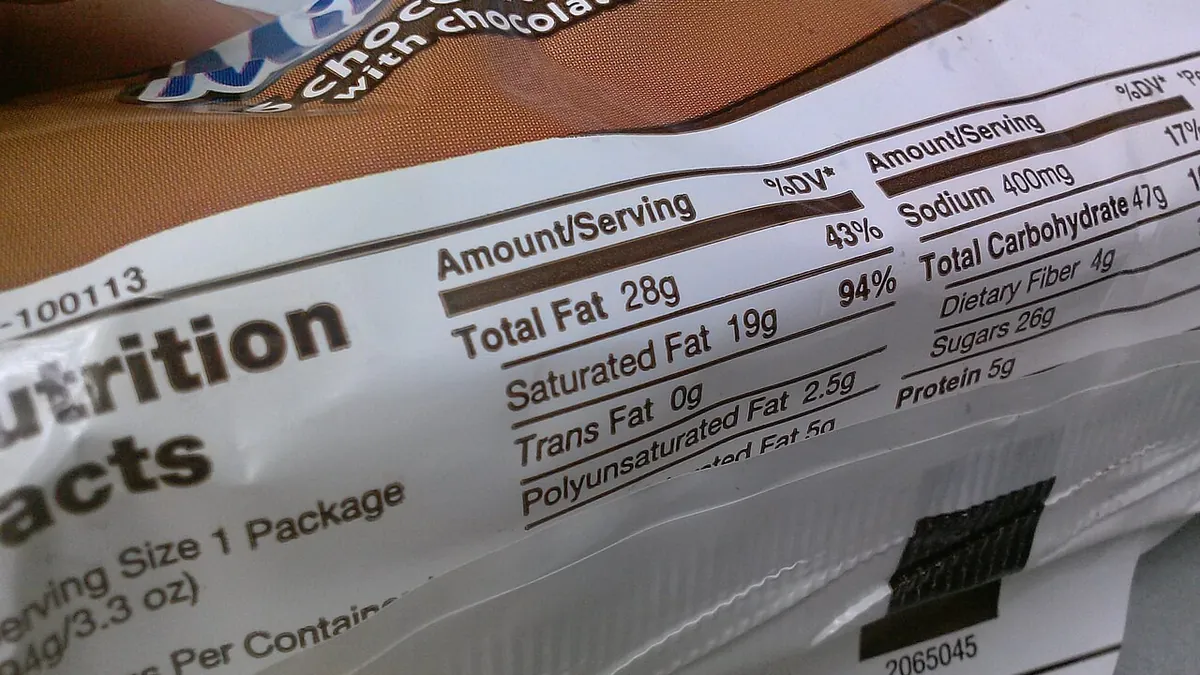
Food labels are one of the most useful tools for people with diabetes. The Nutrition Facts label and the ingredients list tell you how much carbohydrate, fiber, added sugar, fat, and sodium a food contains, which helps you make choices that fit your meal plan. But labels can be confusing, and marketing claims on the front of the package can be misleading. This guide walks through the Nutrition Facts label step by step, explains what to look for with diabetes in mind, and decodes common package claims.
Why labels matter with diabetes
Carbohydrates have the biggest direct effect on blood glucose, so knowing how many grams of carbohydrate are in a serving helps you plan meals, count carbs, and, if you use mealtime insulin, dose accurately. Labels also help you limit added sugars, sodium, and saturated fat, which matter for heart and kidney health. The American Diabetes Association and the U.S. Food and Drug Administration (FDA) both offer guides to reading labels.
The Nutrition Facts label, step by step
1. Serving size and servings per container
Start at the top. All the numbers on the label refer to one serving. The FDA explains that serving sizes are based on amounts people typically eat and are not a recommendation of how much you should eat. Check how many servings are in the package. If you eat two servings, you need to double everything on the label, including carbohydrates. Some packages show two columns: per serving and per package.
2. Calories
Calories tell you how much energy is in one serving. If weight management is a goal, calories matter. See weight and diabetes.
3. Total Carbohydrate
This is the most important number for blood glucose. Total Carbohydrate includes starches, sugars, and fiber, all in grams. Use this number for carb counting. See carb counting.
4. Dietary Fiber
Listed under Total Carbohydrate. Fiber is not digested like other carbs and can slow the rise in glucose. Foods with more fiber are generally better choices. Some people subtract part of the fiber from the total carbohydrate for high-fiber foods; ask your dietitian whether that fits your plan. See fiber and diabetes.
5. Total Sugars and Added Sugars
Total Sugars include both naturally occurring sugars, such as those in milk and fruit, and added sugars. Added Sugars are listed separately and include sugars added during processing, such as table sugar, syrups, and honey. The Dietary Guidelines for Americans recommend limiting added sugars to less than 10% of daily calories. Remember that sugars are already included in Total Carbohydrate; don't add them again.
6. Sugar alcohols (if listed)
Some products list sugar alcohols, such as sorbitol, xylitol, or erythritol. These have fewer calories than sugar and usually have a smaller effect on blood glucose, but they still contain some carbohydrate, and large amounts can cause gas, bloating, or diarrhea.
7. Protein
Shows grams of protein per serving. Protein has little direct effect on blood glucose and can help with fullness.
8. Fats
Total fat, saturated fat, and trans fat are listed. Diabetes raises the risk of heart disease, so choose foods lower in saturated fat and avoid trans fat when possible. Unsaturated fats, from foods like nuts, seeds, olive oil, and fish, are healthier choices. See heart health.
9. Sodium
Many packaged foods are high in sodium, which can raise blood pressure. The Dietary Guidelines recommend that adults limit sodium to less than 2,300 milligrams per day. Your provider may recommend a lower target, particularly if you have high blood pressure or kidney disease. See kidney health.
10. Percent Daily Value (%DV)
The %DV shows how much a nutrient in one serving contributes to a total daily diet, based on 2,000 calories a day. The FDA suggests a quick guide: 5% DV or less of a nutrient per serving is considered low, and 20% DV or more is considered high. Aim for low %DV for sodium, saturated fat, and added sugars, and higher %DV for fiber, vitamin D, calcium, iron, and potassium.
The ingredients list
Ingredients are listed in order by weight, from most to least. Tips:
- Look for whole grains first: For breads and cereals, look for "whole wheat," "whole oats," or another whole grain as the first ingredient. "Wheat flour" or "enriched flour" usually means refined flour.
- Spot hidden sugars: Added sugars go by many names, including sucrose, dextrose, high-fructose corn syrup, cane sugar, brown rice syrup, maltose, fruit juice concentrate, honey, agave, and molasses. If several appear, the food may contain more added sugar than you expect.
- Check fats: "Partially hydrogenated oils" indicate trans fats.
- Note allergens if relevant.
Front-of-package claims decoded
Claims on the front of the package can be helpful, but they don't tell the whole story. Always check the Nutrition Facts label.
- "Sugar-free": Less than 0.5 grams of sugar per serving, but the food may still contain carbohydrates from starches or sugar alcohols.
- "No added sugar": No sugars added during processing, but the food may contain natural sugars and still be high in carbohydrate.
- "Reduced sugar": At least 25% less sugar than the regular version, which may still be a lot.
- "Low fat" or "fat-free": Fat may be replaced with sugar or starch, increasing carbohydrate.
- "Multigrain" or "made with whole grains": May contain mostly refined flour. Check the ingredients.
- "Natural": Not strictly defined and not a nutrition claim.
- "Diabetic" or "diabetes-friendly": Not a regulated term for most foods. These products are not necessary and may be expensive.
- "Net carbs": Not an FDA-defined term. It usually means total carbohydrate minus fiber and sugar alcohols. Use it with caution and follow your dietitian's guidance.
Putting it into practice: comparing two products
When comparing similar foods, such as two cereals:
- Compare serving sizes first; they may differ.
- Choose the one with fewer grams of carbohydrate per serving, more fiber, and fewer added sugars.
- Check sodium and saturated fat.
- Look for a whole grain as the first ingredient.
Foods without labels
Fresh fruits, vegetables, meat, and many restaurant foods don't have Nutrition Facts labels. Use reliable nutrition databases, apps, restaurant nutrition information, and portion guides. See diabetes-friendly eating basics.
Tips for shopping
- Shop the perimeter of the store for fresh foods, but don't skip frozen vegetables, canned beans, and whole grains in the aisles.
- Make a list based on your meal plan.
- Compare labels on similar products.
- Choose plain versions (like plain yogurt or oats) and add your own fruit.
- Watch beverages: many drinks contain large amounts of added sugar.
Frequently asked questions
Should I look at Total Sugars or Total Carbohydrate?
For blood glucose and carb counting, Total Carbohydrate is the most important number, because starches raise glucose too.
Are sugar-free foods better for me?
Not always. They may still contain carbohydrate and calories. Compare the Total Carbohydrate on the label.
What's a quick way to judge a label?
Check serving size, Total Carbohydrate, fiber, added sugars, sodium, and the first ingredient.
Do I need to count fiber?
Fiber is part of Total Carbohydrate. Whether to subtract it depends on your plan; ask your dietitian.
Where can I find more reliable information?
Trusted sources include the CDC, NIDDK, MedlinePlus, and the American Diabetes Association. Be cautious with social media posts or products that promise quick fixes, and check new information with your care team before making changes.
Key takeaways
- Always start with the serving size; all numbers are per serving.
- Total Carbohydrate is the key number for blood glucose and carb counting.
- Look for more fiber and fewer added sugars, saturated fat, and sodium.
- Check the ingredients list for whole grains and hidden sugars.
- Don't rely on front-of-package claims; read the Nutrition Facts label.
Sources
Links to the sources cited above appear in the text. We rely on the Centers for Disease Control and Prevention (CDC), the National Institute of Diabetes and Digestive and Kidney Diseases (NIDDK), and the American Diabetes Association (ADA).
Related guides: Food, fitness, and weight
- Diabetes-Friendly Eating Basics
- Carb Counting for Diabetes: A Beginner's Guide
- Exercise and Diabetes: A Practical Guide
- Weight and Diabetes: Realistic Goals and Options
- The Glycemic Index Explained
- Best Snacks for Diabetes: Ideas and Tips
- Alcohol and Diabetes: What You Need to Know
- Low-Carb Diets and Diabetes: What to Know
- Intermittent Fasting and Diabetes: Benefits and Risks
- Fiber and Diabetes: Why It Helps and How to Get More
- Fruit and Diabetes: Can You Eat Fruit?