The Glycemic Index Explained
You may have heard that some carbohydrate foods are "high glycemic" and others are "low glycemic." The glycemic index (GI) is a way of ranking carbohydrate-containing foods by how quickly they raise blood glucose. It can be a helpful tool for people with diabetes, but it has limits, and it works best alongside other approaches such as portion control and carbohydrate counting. This guide explains what the glycemic index and glycemic load are, what affects them, how to use them in everyday eating, and common misunderstandings.
What is the glycemic index?
The glycemic index ranks foods that contain carbohydrate on a scale, usually from 0 to 100, based on how much they raise blood glucose compared with a reference food, typically pure glucose. Foods are commonly grouped as:
- Low GI: 55 or less
- Medium GI: 56 to 69
- High GI: 70 or more
High-GI foods are digested and absorbed quickly, causing a faster and higher rise in blood glucose. Low-GI foods are digested more slowly, causing a gentler rise.
Foods that contain little or no carbohydrate, such as meat, fish, eggs, oils, and most cheeses, do not have a GI value because they have little direct effect on blood glucose.
Examples of foods by glycemic index
GI values vary between studies and products, but general patterns are well established:
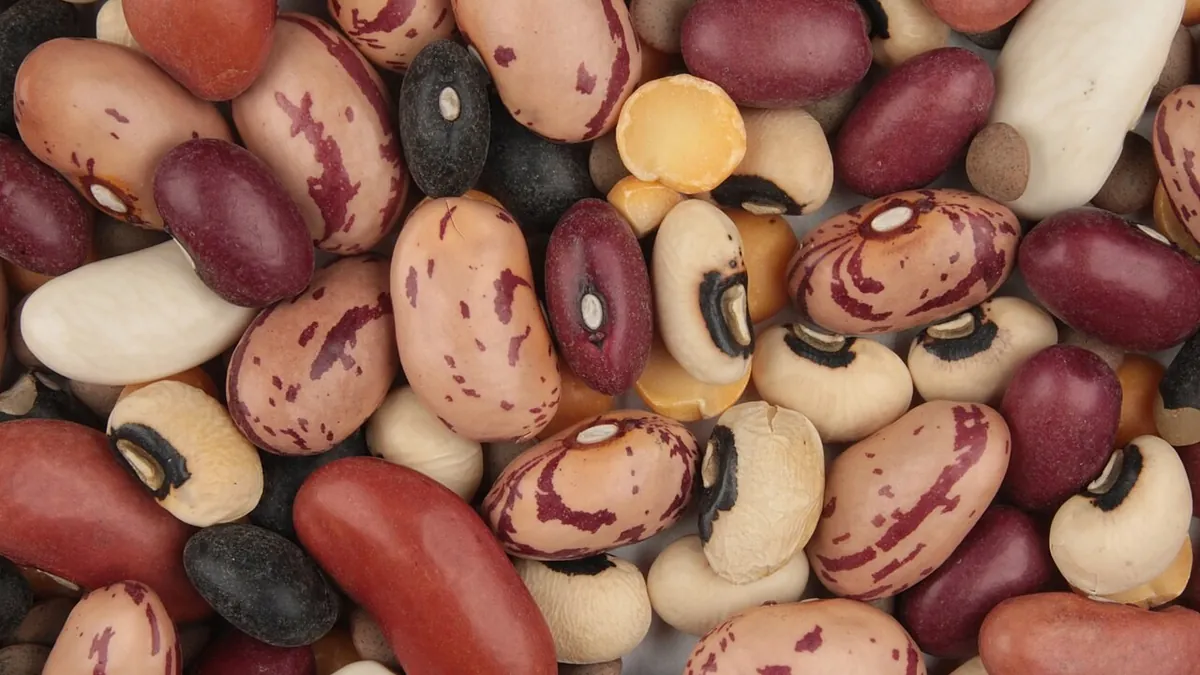
- Usually lower GI: most nonstarchy vegetables, beans and lentils, many whole fruits such as apples and oranges, milk and plain yogurt, steel-cut or rolled oats, barley, and many whole-kernel grain products.
- Usually medium GI: some whole wheat products, brown rice, sweet corn, and some types of pasta.
- Usually higher GI: white bread, many refined breakfast cereals, white rice (varies by type), instant oatmeal, rice cakes, crackers, and baked white potatoes.
Because values differ by variety, processing, and preparation, use these as general guides rather than exact numbers.
What affects a food's GI?
Many factors influence how quickly a food raises blood glucose:
- Processing: More processed and finely ground grains tend to have a higher GI than intact or coarsely ground grains. Instant oats tend to have a higher GI than steel-cut oats.
- Fiber: Foods with more fiber, especially soluble fiber, tend to have a lower GI.
- Ripeness: Riper fruits, such as a very ripe banana, tend to have a higher GI than less ripe ones.
- Cooking: Longer cooking can raise GI. Pasta cooked al dente has a lower GI than soft, overcooked pasta.
- Type of starch: Some starches are digested more slowly than others. Cooking and then cooling some starchy foods, such as potatoes or rice, can increase "resistant starch."
- Fat and protein: Eating carbohydrate with fat or protein slows digestion and lowers the blood glucose response of the meal.
- Acidity: Acidic foods such as vinegar or lemon juice may slow stomach emptying.
The CDC gives a practical example: drinking fruit juice raises blood sugar faster than eating whole fruit, and eating carbs with foods that have protein, fat, or fiber slows how quickly blood sugar rises.
Glycemic load: accounting for portion size
The glycemic index tells you how quickly a carbohydrate raises blood glucose, but not how much carbohydrate is in a typical serving. Glycemic load (GL) combines both. It is calculated by multiplying a food's GI by the grams of carbohydrate in a serving and dividing by 100.
For example, watermelon has a relatively high GI, but a typical serving contains a modest amount of carbohydrate, so its glycemic load is fairly low. On the other hand, a large serving of a medium-GI food can have a high glycemic load. Glycemic load is often a more practical measure than GI alone, because portion size matters.
The amount of carbohydrate matters most
For people with diabetes, the total amount of carbohydrate in a meal generally has a bigger effect on blood glucose than the type of carbohydrate. That is why carb counting and portion control remain core tools. The GI is best used to fine-tune choices within your carbohydrate goals, not as a replacement for them. See carb counting.
Limits of the glycemic index
- Individual responses vary. Two people can respond differently to the same food, and your own response can vary from day to day.
- Mixed meals change the picture. Most people eat foods in combination, which changes the overall glucose response.
- Low GI does not always mean healthy. Some foods high in fat or added sugar, such as some chocolate products or ice cream, have a relatively low GI because fat slows absorption, but they are not ideal everyday choices.
- High GI does not always mean unhealthy. Some nutritious foods, such as potatoes or watermelon, have a high GI but provide vitamins, minerals, and fiber.
- GI values are not on food labels in the United States, and published values vary.
Because of these limits, many experts recommend focusing on overall food quality: choosing whole, minimally processed, high-fiber carbohydrates is a simple way to lower the glycemic impact of your diet without memorizing numbers.
How to use the glycemic index in everyday eating
- Choose whole grains over refined grains. Swap white bread for whole-grain or intact-grain bread, and instant oats for rolled or steel-cut oats.
- Eat more beans and lentils. They are high in fiber and protein and have a low GI.
- Choose whole fruit over juice.
- Pair carbs with protein, healthy fat, or fiber. Add nuts to oatmeal, or have hummus with crackers.
- Fill half your plate with nonstarchy vegetables. The plate method naturally lowers a meal's glycemic load. See diabetes-friendly eating basics.
- Cook pasta al dente and avoid overcooking starchy foods.
- Watch portions, especially of higher-GI foods.
- Limit sugary drinks, which raise blood glucose quickly.
When fast-acting carbs are useful
High-GI, fast-acting carbohydrates have an important role: treating low blood glucose. Glucose tablets, juice, or regular soda raise glucose quickly, which is exactly what is needed during a low. Foods with fat, like chocolate, are not good choices for treating lows because fat slows absorption. See hypoglycemia.
Check your own response
The best way to learn how specific foods affect you is to check your blood glucose before a meal and again one to two hours after starting it, or to review continuous glucose monitor data. This "paired testing" can show which foods and portions work best for you. See checking blood sugar and CGMs.
What the evidence says
The American Diabetes Association's Standards of Care emphasize that there is no single ideal eating pattern for everyone with diabetes, and that the focus should be on nutrient-dense, high-fiber, minimally processed carbohydrate foods. Many eating patterns that emphasize these foods, such as Mediterranean-style eating, naturally have a lower glycemic load. NIDDK's guidance on diabetes diet, eating, and physical activity also stresses vegetables, whole grains, and limiting added sugars. MedlinePlus has more on the diabetic diet.
Putting it together: sample swaps
- Instead of a large bowl of refined cereal, try rolled oats topped with berries and a spoonful of nuts.
- Instead of white rice, try brown rice, barley, or quinoa, or mix half rice and half beans.
- Instead of a sweetened drink, choose water, sparkling water, or unsweetened tea.
- Instead of white bread, choose whole-grain or intact-grain bread.
- Instead of fruit juice, eat a piece of whole fruit.
- Instead of chips, try roasted chickpeas or raw vegetables with hummus.
Key takeaways
- The glycemic index ranks carbohydrate foods by how quickly they raise blood glucose; glycemic load also accounts for portion size.
- Processing, fiber, ripeness, cooking, and what you eat with a food all affect its glycemic impact.
- The total amount of carbohydrate still matters most; use GI to fine-tune choices.
- Choosing whole, high-fiber, minimally processed foods is an easy way to lower the glycemic impact of meals.
- Fast-acting, high-GI carbs are the right choice for treating lows.
Sources
Links to the sources cited above appear in the text. We rely on the Centers for Disease Control and Prevention (CDC), the National Institute of Diabetes and Digestive and Kidney Diseases (NIDDK), and the American Diabetes Association (ADA).
Related guides: Food, fitness, and weight
- Diabetes-Friendly Eating Basics
- Carb Counting for Diabetes: A Beginner's Guide
- Exercise and Diabetes: A Practical Guide
- Weight and Diabetes: Realistic Goals and Options
- Best Snacks for Diabetes: Ideas and Tips
- Alcohol and Diabetes: What You Need to Know
- Low-Carb Diets and Diabetes: What to Know
- Intermittent Fasting and Diabetes: Benefits and Risks
- Fiber and Diabetes: Why It Helps and How to Get More
- Fruit and Diabetes: Can You Eat Fruit?
- How to Read Food Labels with Diabetes