Diabetes Emergency Preparedness: Build Your Kit
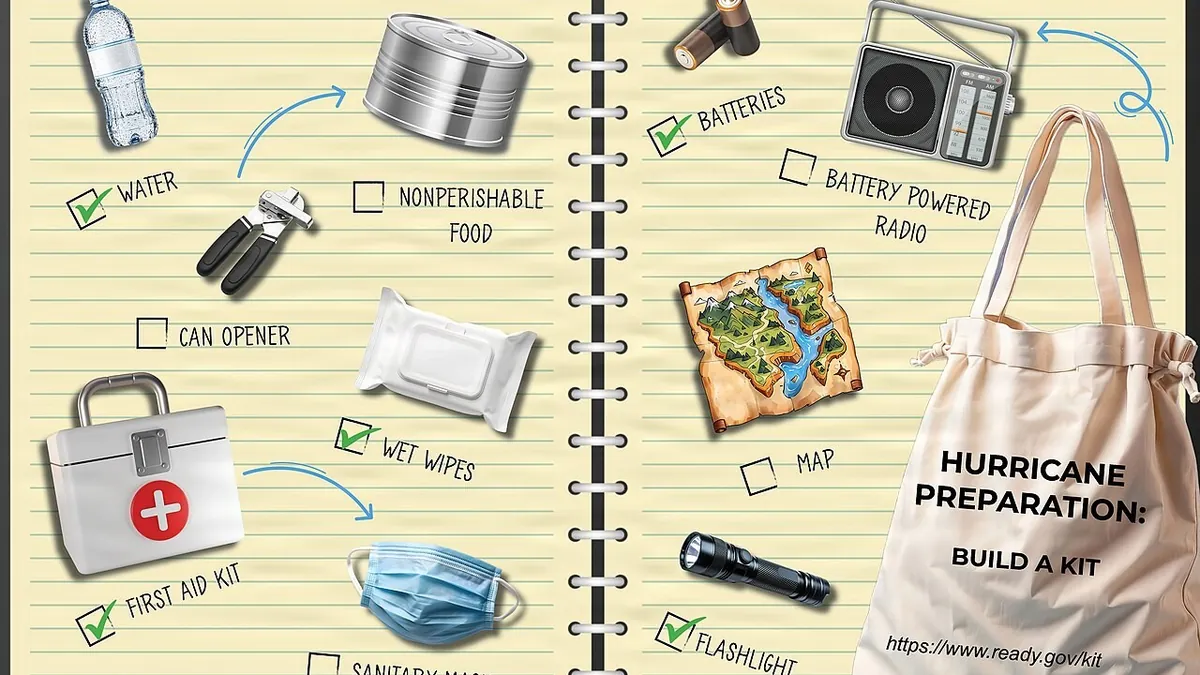
Hurricanes, floods, wildfires, winter storms, power outages, and other emergencies can disrupt access to medicines, food, refrigeration, and health care. For people with diabetes, especially those who use insulin or medical devices, planning ahead can be lifesaving. This guide explains how to build a diabetes emergency kit, store insulin without power, prepare your devices, and stay safe during and after a disaster.
Why preparation matters
During an emergency, pharmacies and clinics may close, roads may be blocked, power may be out for days, and stress and changes in eating and activity can affect blood glucose. People who rely on insulin cannot safely go without it. Having supplies and a plan ready means you can focus on staying safe. The federal government's Ready.gov recommends that everyone build an emergency supply kit, and people with medical needs should add the items they rely on.
Build a diabetes emergency kit
Pack supplies to last at least one to two weeks, more if possible, in a waterproof, easy-to-carry bag or container. Include:
Medicines and monitoring
- Insulin and other diabetes medicines, plus syringes or pen needles
- Backup insulin delivery supplies (pens or syringes) if you use a pump
- Insulin pump supplies (infusion sets, reservoirs) and extra batteries or a charger
- CGM sensors and a backup glucose meter, test strips, lancets, and extra meter batteries
- Ketone test strips. See hyperglycemia and DKA.
- Glucagon
- Other medicines you take, such as blood pressure and cholesterol medicines
- A sharps container or sturdy plastic bottle
Food and water
- Fast-acting carbohydrate to treat lows, such as glucose tablets, gel, or juice boxes. See hypoglycemia.
- Nonperishable foods such as nuts, peanut butter, crackers, canned tuna or chicken, canned beans, and shelf-stable milk
- Bottled water (Ready.gov recommends at least one gallon per person per day for several days)
Cooling and power
- An insulated cooler and reusable cold packs, or insulin cooling wallets that work without ice
- Portable power banks, charging cables, and a car charger for phones, CGMs, and pumps
- A battery-powered or hand-crank radio and flashlight
Documents and information
- A list of your medicines, doses, and allergies
- Your diabetes type and treatment plan, including insulin doses, pump settings, and sick-day instructions
- Copies of prescriptions and insurance cards
- Contact information for your providers, pharmacy, and device manufacturers
- A medical ID bracelet or necklace
Other items
- First-aid kit
- Hand sanitizer and wipes
- Sturdy, comfortable shoes and extra socks to protect your feet. See diabetic foot care.
- A cooler-safe thermometer, if possible, to monitor insulin temperature
Check your kit every few months, replace expired items, and update your medicine list.
Keep extra supplies on hand
When possible, keep a small extra supply of medicines at home so you aren't down to your last few days when an emergency hits. Ask your provider and insurance plan whether early refills are possible; during declared emergencies, some states and plans allow emergency refills. See diabetes supplies and cost-saving tips.
Storing insulin during a power outage
Insulin is sensitive to heat and freezing. In general:
- Unopened insulin is best kept refrigerated, but most insulin can be kept at room temperature for a limited number of days, which varies by product. Check the package insert for your insulin.
- Keep insulin as cool as possible and out of direct sunlight; never leave it in a hot car.
- If using ice or cold packs, don't let insulin touch them directly or freeze. Wrap insulin in a cloth or place it in a container inside the cooler.
- Do not use insulin that has been frozen or exposed to extreme heat.
- In an emergency, if insulin has been exposed to unusual temperatures and no replacement is available, using it may be better than going without; contact a health care provider as soon as possible and monitor glucose closely.
See insulin basics.
Protect your devices
- Keep pumps, CGM receivers, and phones charged when a storm is forecast.
- Keep backup supplies in case a device fails or you can't get sensors.
- Know how to switch from a pump to injections. Ask your care team for a written backup plan with doses.
- Keep devices dry and protected from extreme temperatures.
During an emergency
- Check your glucose more often. Stress, changes in food and activity, and heat can all affect glucose.
- Keep taking insulin. Don't stop insulin even if you are eating less; follow your sick-day or emergency plan. See managing diabetes when you're sick.
- Stay hydrated, especially in hot weather.
- Eat regularly if you take medicines that can cause lows.
- Check ketones if your glucose is high or you feel ill, especially with type 1 diabetes.
- Protect your feet. Wear shoes, avoid walking through floodwater when possible, and check your feet daily for injuries. Clean wounds promptly and watch for infection.
- Tell others at shelters or emergency services that you have diabetes and what supplies you need.
Evacuations and shelters
- Take your emergency kit with you.
- Tell shelter staff you have diabetes and need refrigeration for insulin if available.
- Ask about medical services at the shelter.
- Keep fast-acting carbohydrate with you at all times.
When to seek emergency care
Get emergency help for:
- Severe low blood glucose that doesn't respond to treatment, or loss of consciousness
- Signs of DKA: nausea, vomiting, abdominal pain, rapid breathing, fruity breath, confusion, or moderate to large ketones
- Signs of severe dehydration
- Wounds that are infected or not healing
Make a plan with others
- Share your plan with family, friends, or neighbors.
- Teach someone how to recognize and treat low glucose and use glucagon.
- Arrange a meeting place and a way to communicate if you're separated.
- If you live alone, arrange for someone to check on you during emergencies.
Frequently asked questions
How much insulin should I keep on hand?
Aim for enough to last at least one to two weeks beyond your regular supply, if your insurance and budget allow. Talk with your provider about options.
Can I use expired supplies in an emergency?
It's best to keep supplies current. In a true emergency without alternatives, contact a health care provider for guidance.
What if my pump fails?
Switch to your backup injection plan, which your care team should provide in writing ahead of time.
What foods should I keep for lows?
Glucose tablets or gel and shelf-stable juice boxes are good options because they don't spoil.
Should I tell my utility company I use medical devices?
Some utility companies keep lists of customers who rely on electricity for medical needs and may provide notice before planned outages. Contact your utility to ask what programs are available in your area.
What if I have to evacuate without my supplies?
Tell emergency responders or shelter staff right away that you have diabetes and what medicines you use. Local pharmacies, emergency medical teams, and relief organizations may be able to help you replace supplies.
Where can I find more reliable information?
Trusted sources include the CDC, NIDDK, MedlinePlus, and the American Diabetes Association. Be cautious with social media posts or products that promise quick fixes, and check new information with your care team before making changes.
Key takeaways
- Prepare a diabetes emergency kit with at least one to two weeks of supplies.
- Keep insulin cool but not frozen; check your product's room-temperature limits.
- Keep devices charged and have a written backup plan for injections.
- Check glucose more often during emergencies and never stop insulin.
- Share your plan with others and know when to seek emergency care.
Sources
Links to the sources cited above appear in the text. We rely on the Centers for Disease Control and Prevention (CDC), the National Institute of Diabetes and Digestive and Kidney Diseases (NIDDK), and the American Diabetes Association (ADA).
Related guides: Everyday life with diabetes
- Stress and Blood Sugar
- Sleep and Diabetes
- Traveling with Diabetes: A Complete Checklist
- Diabetes and Pregnancy Planning
- Diabetes and Mental Health: Depression and Anxiety
- Diabetes Burnout: Signs and How to Recover
- Diabetes and Smoking: Risks and How to Quit
- Diabetes in Older Adults: Goals, Safety, and Care
- Preparing for a Diabetes Doctor Visit: Questions to Ask
- Diabetes Supplies and Medicines: Cost-Saving Tips