Preparing for a Diabetes Doctor Visit: Questions to Ask
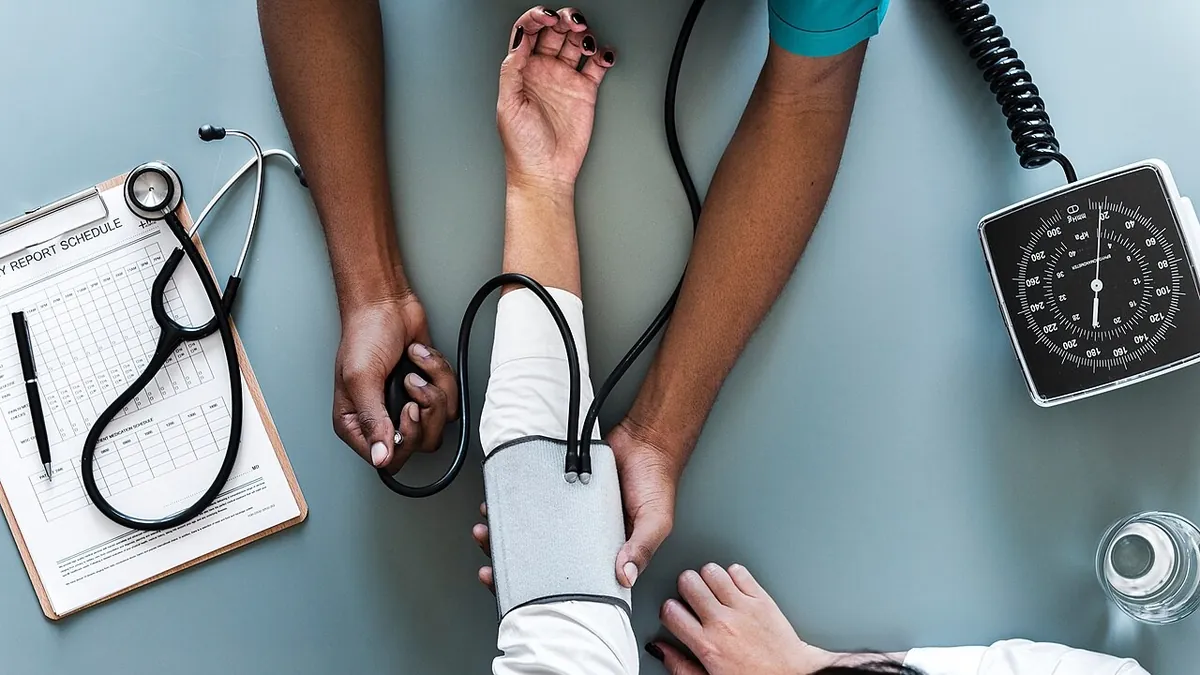
Diabetes care is a partnership between you and your health care team. Appointments are often short, so preparing ahead helps you get the most out of every visit. This guide explains what to bring, what to expect at routine diabetes visits, which tests and exams to keep track of, and questions to ask your doctor or other members of your care team.
Your diabetes care team
Depending on your needs, your team may include:
- A primary care provider or endocrinologist (diabetes specialist)
- A diabetes care and education specialist (diabetes educator)
- A registered dietitian
- A pharmacist
- An eye doctor (optometrist or ophthalmologist)
- A podiatrist (foot doctor)
- A dentist
- A mental health professional
- Other specialists, such as a kidney doctor or cardiologist
You are the most important member of the team. NIDDK's guide to managing diabetes encourages people to work with their health care team and take an active role.
Before your visit
Gather your information
- Glucose data: Bring your meter, CGM reader, or app, or be ready to share data online. Many clinics can download data from devices. See checking blood sugar and CGMs.
- Medicine list: All prescription and over-the-counter medicines, vitamins, and supplements, with doses and how you take them. Better yet, bring the bottles.
- Notes about lows and highs: When they happened, how you felt, and what you did.
- Changes since your last visit: New symptoms, hospital or urgent care visits, changes in eating, activity, weight, sleep, stress, or work.
- Results from other providers: Eye exam reports, lab results, or specialist notes.
- Insurance information and a list of supplies you need refilled.
Write down your questions
Prioritize your top two or three questions and put them first. It's easy to forget questions during a visit.
Consider bringing someone
A family member or friend can take notes, ask questions, and help you remember information.
What happens at a routine diabetes visit
MedlinePlus describes common diabetes tests and checkups. A typical visit may include:
- Weight and blood pressure at most visits
- Review of glucose data and medicines
- Foot check, especially if you have nerve damage or foot problems; take off your shoes and socks as a reminder. See diabetic foot care.
- Injection or infusion site check if you use insulin
- Discussion of goals, concerns, and emotional well-being
Tests and exams to keep track of
The American Diabetes Association's Standards of Care recommend regular tests and exams. Common schedules include:
- A1C: At least twice a year if you are meeting goals; about every three months if your treatment has changed or you are not meeting goals. See A1C and blood sugar targets.
- Blood pressure: At every routine visit.
- Cholesterol (lipid panel): At diagnosis and periodically after that.
- Kidney tests (urine albumin and eGFR): At least yearly. See kidney health.
- Dilated eye exam: Usually yearly, or as your eye doctor recommends. See eye health.
- Comprehensive foot exam: At least yearly.
- Dental checkups: At least twice a year. See diabetes and dental health.
- Vaccines: As recommended by your provider.
- Screening for depression, anxiety, and diabetes distress. See diabetes and depression.
Keeping a simple record of when you had each test, and the results, helps you and your team stay on track.
Questions to ask
About your numbers
- What was my A1C, and what is my goal?
- What are my blood glucose targets before and after meals?
- What are my blood pressure and cholesterol numbers, and are they at goal?
- What do my kidney test results mean?
About medicines
- What is each of my medicines for?
- Do any of my medicines cause low blood glucose?
- Are there side effects I should watch for?
- Can any medicines be simplified, combined, or stopped?
- Are there lower-cost options? See diabetes supplies and cost-saving tips.
- What should I do if I miss a dose?
About daily care
- How often should I check my glucose? Would a CGM help me?
- What should I do if my glucose is high or low?
- Can I see a dietitian or diabetes educator?
- What kind of physical activity is safe for me?
- How should I adjust my plan when I'm sick? See managing diabetes when you're sick.
About complications and screening
- Am I due for an eye exam, foot exam, or kidney tests?
- What can I do to protect my heart and kidneys?
- Should I be taking a statin or blood pressure medicine?
About your well-being
- I've been feeling stressed or down; can we talk about that?
- Are there support groups or programs near me?
During the visit
- Share your most important concern first.
- Be honest about what is and isn't working, including missed medicines or difficulty affording supplies. Your team can only help with what they know.
- Ask the provider to explain anything you don't understand, and repeat back what you heard to confirm.
- Take notes or ask for written instructions.
- Ask how to reach the team between visits.
After the visit
- Review your notes and instructions.
- Fill new prescriptions and schedule recommended tests and referrals.
- Use your patient portal to view results and send questions.
- Follow up if you don't receive results.
Telehealth visits
Many diabetes visits can happen by video or phone. Prepare the same way: upload device data in advance if possible, have your medicine list ready, and find a quiet place with good internet.
Frequently asked questions
How often should I see my diabetes provider?
Many people are seen every three to six months, more often when starting or changing treatment.
What if I feel rushed?
Prioritize your top questions, bring them in writing, and ask whether you can schedule a follow-up or speak with a diabetes educator.
Should I tell my doctor if I can't afford my medicines?
Yes. There are often lower-cost alternatives or assistance programs.
What should I do if I disagree with my treatment plan?
Say so. Explain your concerns, such as side effects, cost, or how the plan fits your daily life, and ask about alternatives. Shared decision-making means your preferences and goals are part of the plan.
Can I bring my CGM data from home?
Yes. Many CGM systems let you share data with your clinic through an app or online account. Ask your clinic how they prefer to receive data and set it up before your appointment.
How can I remember everything the doctor said?
Take notes, bring a companion, ask for a printed visit summary, and check your patient portal afterward. It is also fine to call or send a portal message with follow-up questions.
What should I do between visits if something changes?
Contact your care team if you have frequent lows or highs, new symptoms, side effects, or trouble getting medicines or supplies. Do not wait until your next scheduled visit. Call 911 for emergencies.
Should I see a diabetes educator?
Many people benefit from diabetes self-management education and support (DSMES). Educators can help with meal planning, glucose monitoring, medicines, and problem-solving. Ask your provider for a referral; many insurance plans cover it.
Where can I find more reliable information?
Trusted sources include the CDC, NIDDK, MedlinePlus, and the American Diabetes Association. Be cautious with social media posts or products that promise quick fixes, and check new information with your care team before making changes.
Key takeaways
- Bring glucose data, a medicine list, and written questions to every visit.
- Track key tests: A1C, blood pressure, cholesterol, kidney tests, eye and foot exams.
- Be honest about challenges, including cost and emotional health.
- Take notes and follow up after the visit.
Sources
Links to the sources cited above appear in the text. We rely on the Centers for Disease Control and Prevention (CDC), the National Institute of Diabetes and Digestive and Kidney Diseases (NIDDK), and the American Diabetes Association (ADA).
Related guides: Everyday life with diabetes
- Stress and Blood Sugar
- Sleep and Diabetes
- Traveling with Diabetes: A Complete Checklist
- Diabetes and Pregnancy Planning
- Diabetes and Mental Health: Depression and Anxiety
- Diabetes Burnout: Signs and How to Recover
- Diabetes and Smoking: Risks and How to Quit
- Diabetes in Older Adults: Goals, Safety, and Care
- Diabetes Supplies and Medicines: Cost-Saving Tips
- Diabetes Emergency Preparedness: Build Your Kit