Diabetes and Pregnancy Planning
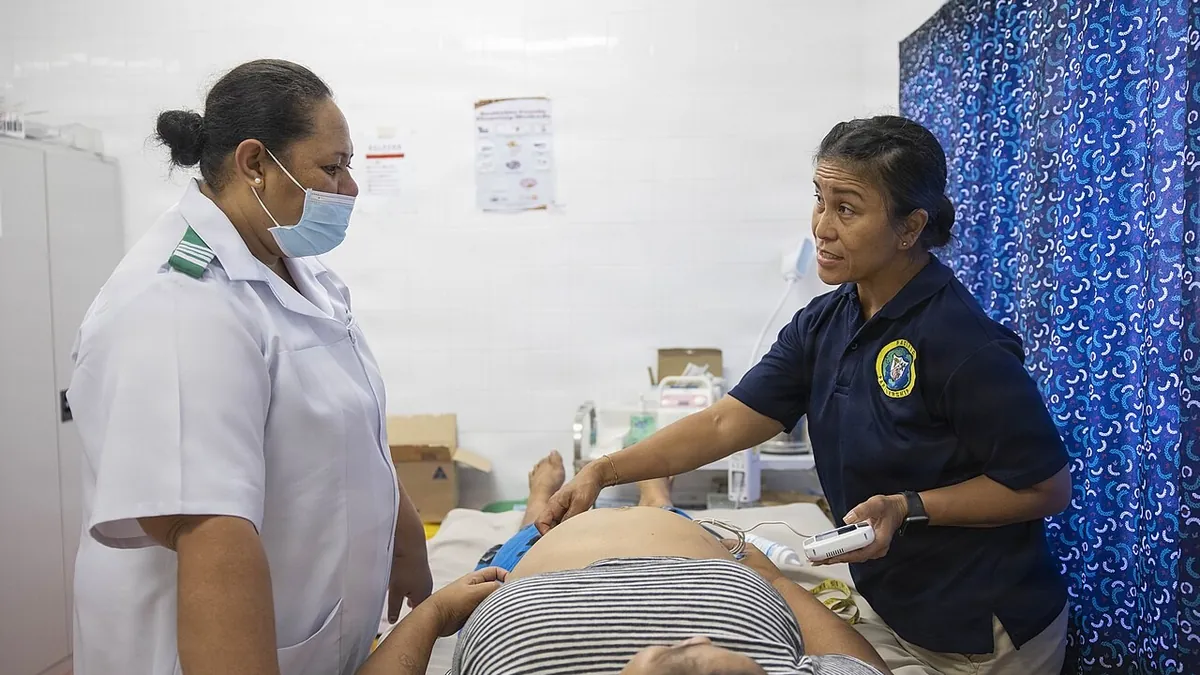
If you have type 1 or type 2 diabetes and are thinking about having a baby, planning ahead is one of the most important things you can do for your health and your baby's health. Blood glucose levels in the earliest weeks of pregnancy, often before you know you are pregnant, affect the baby's development. With preparation and support from your health care team, most people with diabetes can have healthy pregnancies and healthy babies. This guide explains why planning matters, what to do before conception, and what to expect during pregnancy. If you develop diabetes for the first time during pregnancy, see our guide to gestational diabetes.
Why planning matters
A baby's major organs, including the brain, heart, spine, and kidneys, form during the first weeks of pregnancy. High blood glucose during this time increases the risk of birth defects and miscarriage. Later in pregnancy, high glucose can cause the baby to grow too large, increasing the risk of a difficult delivery, cesarean birth, early birth, and low blood glucose and breathing problems in the newborn. MedlinePlus has more on diabetes and pregnancy, and the American Diabetes Association provides pregnancy resources.
Pregnancy can also affect your health. It may worsen existing diabetic eye disease and kidney disease, and it raises the risk of high blood pressure and preeclampsia.
The good news: bringing glucose closer to target before conception lowers these risks.
Start planning early
Ideally, begin planning several months before trying to conceive. Talk with your diabetes care provider and an obstetric provider, and consider seeing a specialist in high-risk pregnancy (maternal-fetal medicine) if available. If you are not ready for pregnancy, use effective birth control until your health care team says it's a good time.
Steps to take before pregnancy
Work toward your glucose goals
The American Diabetes Association's Standards of Care recommend that, if it can be achieved without significant hypoglycemia, an A1C below 6.5% is ideal before conception. Your care team will help set a goal that is safe for you. Checking glucose frequently or using a continuous glucose monitor can help. See how to lower A1C and checking blood sugar and CGMs.
Review all your medicines
Some medicines are not recommended during pregnancy and may need to be changed before you start trying. These can include:
- Some blood pressure medicines, such as ACE inhibitors and ARBs
- Statins for cholesterol
- Some diabetes medicines other than insulin
Insulin is the preferred medicine for managing glucose in pregnancy for many people. If you have type 2 diabetes and take pills or non-insulin injectables, your provider may switch you to insulin before or early in pregnancy. Don't stop any medicine on your own; talk with your provider first. See metformin and common diabetes medications and insulin basics.
Take folic acid
Folic acid helps prevent certain birth defects of the brain and spine. The CDC recommends that everyone who could become pregnant get 400 micrograms of folic acid daily. Some people, depending on their health history, may be advised to take more; ask your provider. Start before conception.
Check for complications
Before pregnancy, your team will likely recommend:
- A dilated eye exam, since pregnancy can worsen retinopathy. See eye health.
- Kidney tests (urine albumin and eGFR). See kidney health.
- Blood pressure check and management. See heart health.
- Thyroid testing, especially for people with type 1 diabetes.
- A review of heart health if you have risk factors.
Healthy habits
- Eating: Work with a registered dietitian to create a balanced eating plan that supports glucose goals and pregnancy nutrition. See diabetes-friendly eating basics.
- Activity: Regular physical activity helps glucose and overall health. See exercise and diabetes.
- Weight: If you have overweight, reaching a healthier weight before pregnancy may lower some risks. See weight and diabetes.
- Avoid alcohol and tobacco. No amount of alcohol is known to be safe in pregnancy. See alcohol and diabetes.
- Vaccines: Make sure you are up to date as recommended.
During pregnancy
Glucose targets and monitoring
Glucose targets are tighter during pregnancy. The ADA suggests targets for many pregnant people with diabetes of fasting glucose below 95 mg/dL, one-hour after-meal glucose below 140 mg/dL, or two-hour after-meal glucose below 120 mg/dL, with individualized adjustments. You will likely check glucose many times a day or use a CGM.
Changing insulin needs
Insulin needs change throughout pregnancy. In the first trimester, some people need less insulin and are more prone to lows, especially with morning sickness. In the second and third trimesters, hormones from the placenta increase insulin resistance, and insulin needs often rise significantly. Frequent contact with your care team helps adjust doses safely.
Watch for lows
Hypoglycemia is more common in early pregnancy. Keep fast-acting carbs and glucagon available, and make sure family members know how to help. See hypoglycemia.
Watch for DKA
Diabetic ketoacidosis can develop more quickly and at lower glucose levels during pregnancy, and it is dangerous for the baby. If you have nausea, vomiting, abdominal pain, or high glucose, check ketones if advised and contact your care team right away. See hyperglycemia and DKA.
Extra checkups
Expect more frequent prenatal visits, ultrasounds to check the baby's growth and development, eye exams during pregnancy, and monitoring of blood pressure and kidney function. Your provider may recommend low-dose aspirin starting at the end of the first trimester to lower the risk of preeclampsia; take it only if your provider recommends it.
Delivery and after birth
Your team will plan the timing and type of delivery and manage your glucose during labor. After delivery, insulin needs usually drop quickly, so doses must be reduced to avoid lows. Your baby's glucose will be checked after birth.
Breastfeeding is encouraged and has benefits for both you and your baby. It can lower glucose, so check more often and keep snacks nearby. Some medicines may be resumed or changed after delivery; ask which are safe while breastfeeding. Continue to plan future pregnancies with your care team.
Emotional support
Planning a pregnancy with diabetes takes effort, and it's normal to feel worried. Lean on your health care team, diabetes educators, and support networks. See stress and blood sugar.
Frequently asked questions
Can I get pregnant if my A1C is above my goal?
Many people do, and many unplanned pregnancies happen. If you find out you are pregnant, contact your care team right away so they can help you bring glucose closer to target as quickly and safely as possible and review your medicines. Don't stop medicines on your own.
Can I use a CGM or insulin pump during pregnancy?
Yes. Many people with type 1 diabetes use CGMs and pumps during pregnancy, and CGM use in pregnancy has been associated with better outcomes for people with type 1 diabetes. Ask your care team about the best tools for you.
Will my baby have diabetes?
Having diabetes does not mean your baby will be born with diabetes. Children of parents with type 1 or type 2 diabetes have a higher risk of developing diabetes at some point in life, but most do not. Healthy habits as a family help lower the risk of type 2 diabetes.
How long should I take folic acid?
Start before pregnancy and continue during pregnancy as your provider recommends.
Key takeaways
- Planning before pregnancy lowers the risks of birth defects, miscarriage, and other complications.
- Work toward an A1C goal set with your team, ideally below 6.5% if it can be reached safely.
- Review medicines before conception; some must be changed, and insulin is often preferred during pregnancy.
- Take folic acid, check eyes, kidneys, and blood pressure, and use effective birth control until ready.
- Expect tighter glucose targets, changing insulin needs, and more frequent care during pregnancy.
Sources
Links to the sources cited above appear in the text. We rely on the Centers for Disease Control and Prevention (CDC), the National Institute of Diabetes and Digestive and Kidney Diseases (NIDDK), and the American Diabetes Association (ADA).
Related guides: Everyday life with diabetes
- Stress and Blood Sugar
- Sleep and Diabetes
- Traveling with Diabetes: A Complete Checklist
- Diabetes and Mental Health: Depression and Anxiety
- Diabetes Burnout: Signs and How to Recover
- Diabetes and Smoking: Risks and How to Quit
- Diabetes in Older Adults: Goals, Safety, and Care
- Preparing for a Diabetes Doctor Visit: Questions to Ask
- Diabetes Supplies and Medicines: Cost-Saving Tips
- Diabetes Emergency Preparedness: Build Your Kit