MODY and Rare Types of Diabetes
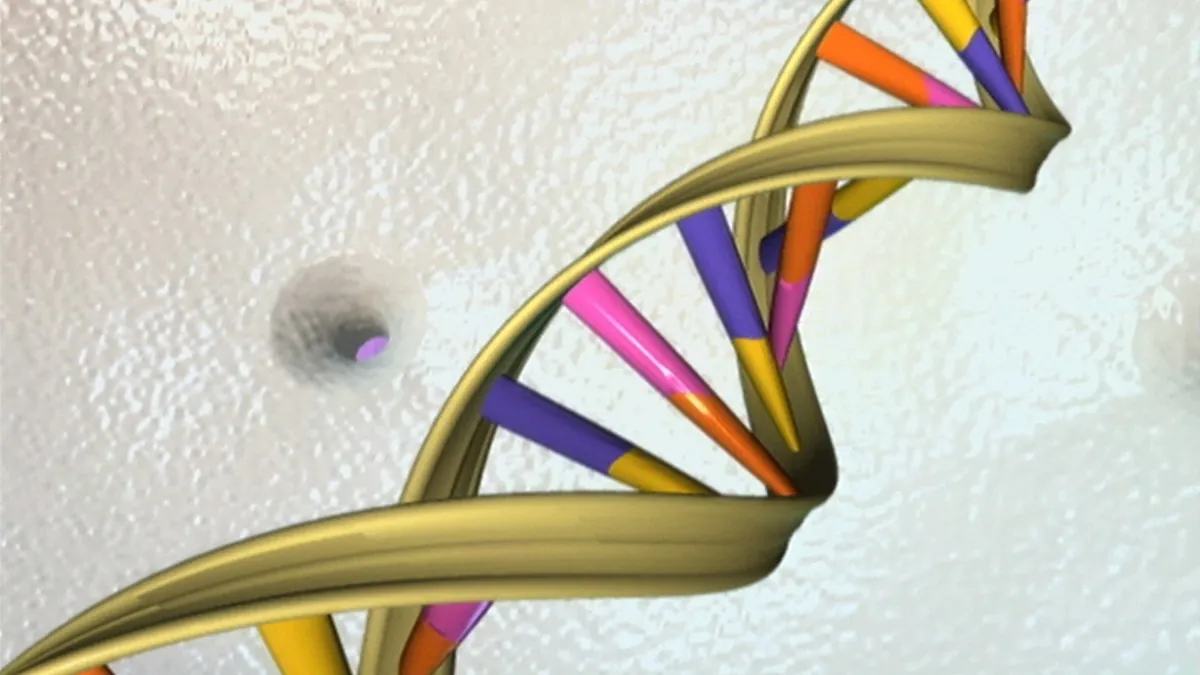
Most people with diabetes have type 1 or type 2 diabetes, but there are other, less common types. Some are caused by changes in a single gene, others by diseases of the pancreas, certain medicines, or other health conditions. Recognizing these types matters because the best treatment can be very different. In some cases, getting the right diagnosis allows people to stop insulin or switch to a simpler treatment. This guide explains monogenic diabetes, including maturity-onset diabetes of the young (MODY) and neonatal diabetes, and other rare types.
What is monogenic diabetes?
Monogenic diabetes is caused by a change (mutation) in a single gene. According to NIDDK, the two main forms are neonatal diabetes mellitus (NDM) and maturity-onset diabetes of the young (MODY). NIDDK notes that monogenic forms account for a small percentage of all diabetes cases in young people, and that many cases are initially misdiagnosed as type 1 or type 2 diabetes.
Maturity-onset diabetes of the young (MODY)
MODY usually appears in adolescence or early adulthood, although it may not be diagnosed until later. It is often passed down in families: MedlinePlus Genetics explains that MODY is typically inherited in an autosomal dominant pattern, which means one copy of the altered gene from one parent can cause the condition, and each child of an affected parent has a 50% chance of inheriting it.
Common types of MODY
There are several types, each linked to a different gene. Some of the more common include:
- GCK-MODY (glucokinase): Causes mild, stable, lifelong elevation of fasting blood glucose, often found by chance on a routine test. It usually does not cause symptoms or long-term complications and often does not need treatment outside of pregnancy.
- HNF1A-MODY: Causes blood glucose to rise over time, often in the teens or twenties. People with this type are often very sensitive to sulfonylurea pills, which may control glucose well, sometimes allowing people to avoid insulin.
- HNF4A-MODY: Similar to HNF1A-MODY and also often responsive to sulfonylureas. Babies with this mutation may be born larger than usual and may have low blood glucose after birth.
- HNF1B-MODY: Can be associated with kidney cysts and other kidney and genital tract differences, in addition to diabetes.
Clues that diabetes might be MODY
A provider may consider MODY if a person:
- Was diagnosed with diabetes before about age 25 to 35
- Has a strong family history of diabetes across several generations
- Does not have the autoantibodies typical of type 1 diabetes
- Does not have overweight or other features typical of type 2 diabetes
- Has mild, stable high fasting glucose
- Still makes significant insulin years after diagnosis
Neonatal diabetes
Neonatal diabetes appears in the first six months of life, which is unusual because type 1 diabetes rarely develops that early. NIDDK and MedlinePlus Genetics describe two forms:
- Transient neonatal diabetes goes away during infancy but may return later in life.
- Permanent neonatal diabetes is lifelong.
Babies may have poor growth, dehydration, and high glucose. Some forms are caused by changes in genes for potassium channels in beta cells (such as KCNJ11 or ABCC8). In many of these cases, high-dose sulfonylurea pills can work better than insulin, which is a major reason genetic testing is recommended for babies diagnosed with diabetes in the first six months of life.
Genetic testing
Genetic testing can confirm monogenic diabetes. It is usually done with a blood or saliva sample. Testing may be recommended for:
- All children diagnosed with diabetes before 6 months of age
- People whose diabetes features suggest MODY, as described above
A genetic counselor can explain what testing involves, what results mean, and implications for family members. Insurance coverage varies, so ask about costs.
Why the right diagnosis matters
- Some people with MODY or neonatal diabetes can switch from insulin to pills.
- People with GCK-MODY may be able to stop unnecessary treatment.
- Family members may benefit from testing.
- Monitoring for related problems, such as kidney issues with HNF1B-MODY, can be planned.
- Pregnancy planning may differ for some types. See diabetes and pregnancy planning.
Never change treatment on your own. Medicine changes after a genetic diagnosis should be made carefully with your diabetes specialist.
Other less common types of diabetes
Diseases of the pancreas
Damage to the pancreas can reduce insulin production. Causes include chronic pancreatitis, pancreatic surgery, pancreatic cancer, and hemochromatosis (iron overload). Diabetes related to pancreatic disease is sometimes called type 3c diabetes. The pancreas may also produce less of other hormones and digestive enzymes.
Cystic fibrosis-related diabetes
Cystic fibrosis can damage the pancreas over time, and cystic fibrosis-related diabetes is common in adults with cystic fibrosis. It has features of both type 1 and type 2 diabetes and is usually treated with insulin. People with cystic fibrosis are routinely screened.
Medicine-induced diabetes
Some medicines can raise blood glucose or cause diabetes, especially in people already at risk. Examples include glucocorticoids (steroids) and some medicines used after organ transplant or to treat HIV or certain mental health conditions. Diabetes after organ transplant is called post-transplant diabetes mellitus. If you take these medicines, your provider may monitor your glucose.
Hormone disorders
Conditions that cause the body to make too much of certain hormones can raise glucose. Examples include Cushing's syndrome (too much cortisol) and acromegaly (too much growth hormone).
Gestational diabetes
Diabetes first diagnosed during pregnancy is a distinct type. See gestational diabetes.
LADA
Latent autoimmune diabetes in adults is a slowly progressing form of autoimmune diabetes. See LADA (type 1.5 diabetes).
Living with a rare type of diabetes
Many of the same principles apply to every type of diabetes: monitoring glucose, healthy eating, physical activity, taking medicines as prescribed, and regular checkups for eyes, kidneys, nerves, and heart. See what is diabetes and checking blood sugar and CGMs. A diabetes specialist (endocrinologist) with experience in rare types can help guide care.
Frequently asked questions
How do I know if I might have MODY?
If you were diagnosed young, have several relatives across generations with diabetes, and your diabetes doesn't fit typical type 1 or type 2 patterns, ask your provider whether genetic testing is appropriate.
Can MODY be cured?
No, but some types are very mild, and others can often be managed with pills instead of insulin.
Should my children be tested?
Because MODY is often inherited, family members may benefit from testing. A genetic counselor can help you decide.
Is type 3c diabetes the same as type 2?
No. Type 3c is caused by disease of the pancreas, not primarily by insulin resistance, and treatment needs may differ.
Does insurance cover genetic testing for MODY?
Coverage varies by plan. Your provider or a genetic counselor can often help with prior authorization and explain likely costs before testing.
Where can I find more reliable information?
Trusted sources include the CDC, NIDDK, MedlinePlus, and the American Diabetes Association. Be cautious with social media posts or products that promise quick fixes, and check new information with your care team before making changes.
Key takeaways
- Monogenic diabetes, including MODY and neonatal diabetes, is caused by a change in a single gene and is often misdiagnosed.
- Genetic testing is recommended for babies diagnosed before 6 months and for people with features suggesting MODY.
- Some types can be treated with pills instead of insulin, and some need little or no treatment.
- Other rare types include diabetes caused by pancreatic disease, cystic fibrosis, certain medicines, and hormone disorders.
- Talk with your provider if your diabetes doesn't fit typical patterns.
Sources
Links to the sources cited above appear in the text. We rely on the Centers for Disease Control and Prevention (CDC), the National Institute of Diabetes and Digestive and Kidney Diseases (NIDDK), and the American Diabetes Association (ADA).
Related guides: Diabetes basics
- What Is Diabetes? Type 1 vs. Type 2 Explained
- Type 1 Diabetes: Causes, Diagnosis, and Treatment
- Type 2 Diabetes: A Complete Overview
- Gestational Diabetes: What to Know During and After Pregnancy
- Prediabetes: What It Is and How to Reverse Course
- Early Signs and Symptoms of Diabetes
- Diabetes Symptoms in Women: Signs to Know
- Diabetes in Children and Teens: A Guide for Families
- Diabetes Myths vs. Facts
- LADA (Type 1.5 Diabetes): Autoimmune Diabetes in Adults
- Insulin Resistance: Causes, Signs, and How to Improve It